
Новости индустрии
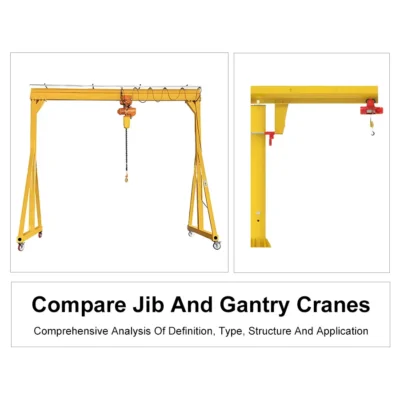
Стреловой кран — это универсальное подъемное устройство, характеризующееся горизонтальной стрелой, установленной на неподвижной или вращающейся колонне. Он может вращаться на 180°–360° в пределах своего рабочего диапазона, что делает его особенно подходящим для подъема и перемещения материалов в ограниченных пространствах и доступа к труднодоступным для обычных мостовых кранов местам.
Если вы ищете более совершенное оборудование для выполнения повторяющихся подъемных работ в вашей мастерской, на погрузочной площадке или производственном предприятии, консольный кран поможет вам сэкономить на капитальных вложениях и эксплуатационных расходах. В этом руководстве будут рассмотрены основные компоненты, типы и области применения консольных кранов, а также дано руководство по выбору подходящего оборудования.
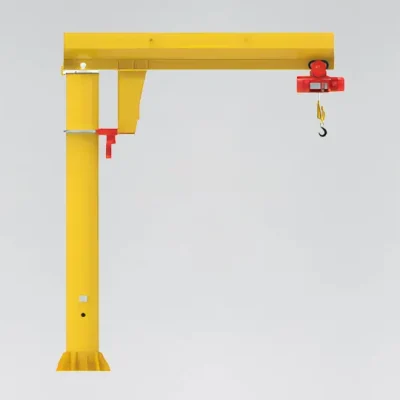
Каждый поворотный кран состоит из пяти основных компонентов, работающих в комплексе. Вертикальная колонна стоит вертикально, поддерживая весь вес. Горизонтальная консоль простирается от колонны, покрывая вашу рабочую зону. Система вращения позволяет консоли вращаться по полному или частичному кругу. Подъемная тележка скользит вдоль консоли, точно позиционируя нагрузку там, где это необходимо. Основание или анкер Болты надежно крепят всю конструкцию к полу или стене.
Высококачественные производители, такие как Вэйхуа Груп Для изготовления этих компонентов используется высокопрочная сталь, соответствующая международным стандартам качества. (ISO 9001). Качество сборки этих компонентов определяет, какой вес консольный кран может безопасно поднимать – промышленные модели обычно имеют грузоподъемность от 0,5 до 20 тонн. Консольный кран должен выдерживать как нисходящий вес, так и боковые нагрузки во время вращения.
В системе вращения используются высокопрочные подшипники, специально разработанные для плавного вращения. В более мощных моделях применяются специальные подшипники, которые равномерно распределяют вес во всех направлениях. Такая конструкция обеспечивает меньший износ и позволяет совершать более 100 000 оборотов при обычном техническом обслуживании.
Подъемная система использует либо электрические цепные тали или тросовые тали, В зависимости от веса груза. Электрические цепные тали популярны для грузов от 0,5 до 5 тонн, поскольку они компактны и просты в обслуживании. Канатные тали больше подходят для более тяжелых грузов до 20 тонн и обеспечивают более высокую скорость подъема.
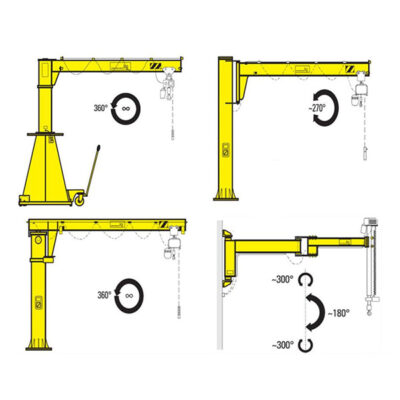
Наиболее распространенным вариантом является независимый консольный кран. Он крепится болтами непосредственно к бетонному полу и может вращаться на 360° без столкновения со стенами или колоннами здания. В зависимости от способа установки консольные краны в основном делятся на два типа: зафиксированный и мобильный. Стационарные колонны надежно закреплены в земле, в то время как передвижные колонны устанавливаются на съемном основании для обеспечения гибкого позиционирования.
Группа компаний Weihua производит колонные консольные краны грузоподъемностью от 1 до 20 тонн и длиной стрелы от 3 до 7 метров. Они отлично зарекомендовали себя в открытых цехах, обеспечивая полный охват пространства вокруг крана. Ваш пол должен быть достаточно прочным, чтобы выдерживать более 1501 тонн максимальной номинальной нагрузки крана.
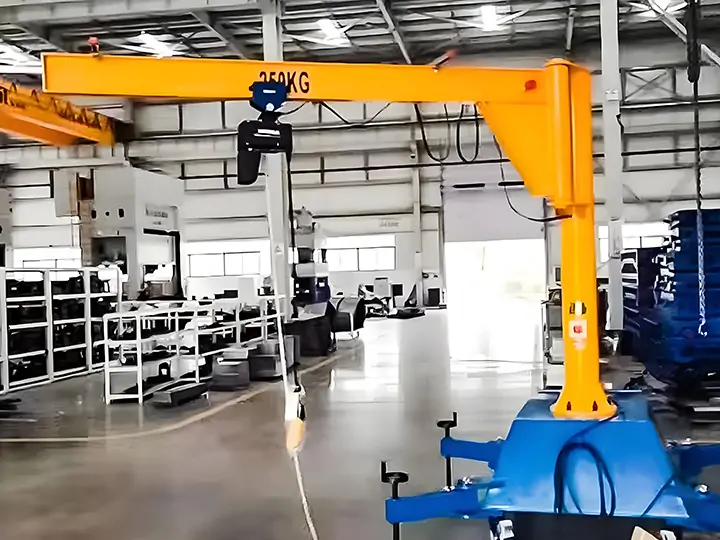
Передвижной колонный поворотный кран
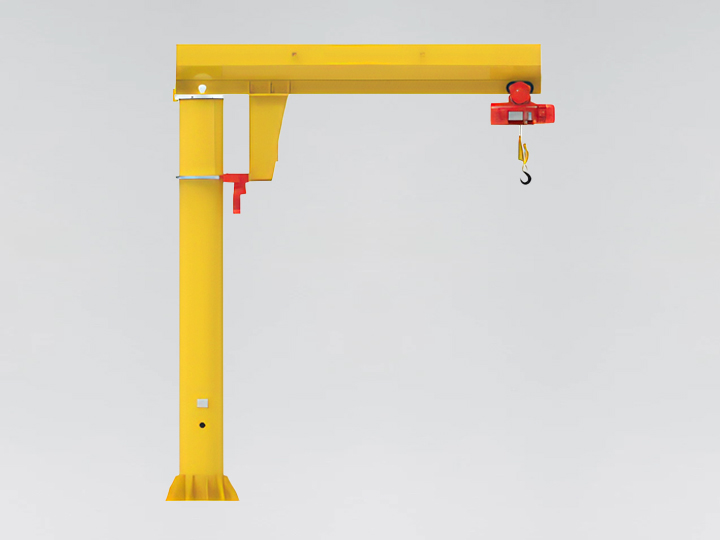
Поворотный кран с неподвижной колонной
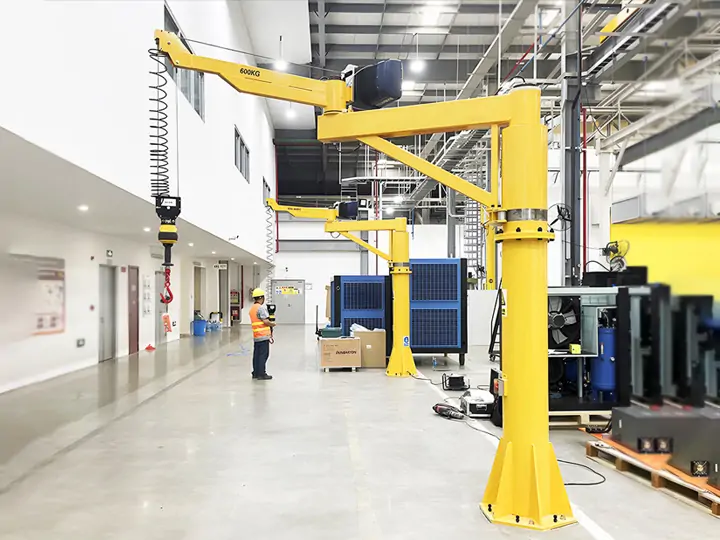
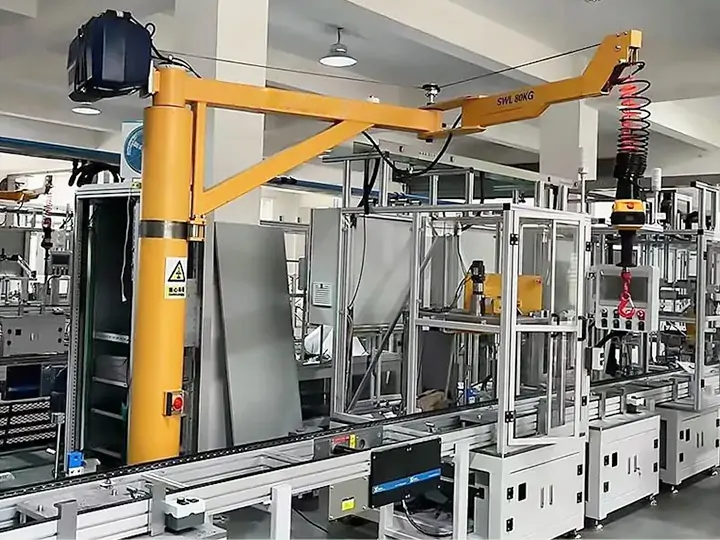
Шарнирно-сочлененный стреловой кран отличается уникальной конструкцией изогнутой стрелы, обеспечивающей легкое выдвижение и вращение, простоту и гибкость в управлении, а также широкий диапазон рабочих площадей. Шарнирно-сочлененный кран может гибко обходить препятствия в ограниченных рабочих зонах и адаптироваться к сложным условиям работы. При правильной балансировке противовесов общий вылет стрелы может достигать 10 метров.
Шарнирно-сочлененные консольные краны идеально подходят для ремонтных мастерских и сборочных цехов, где необходимо перемещать грузы над оборудованием или стенами. Шарнирно-сочлененные консольные краны Weihua позволяют позиционировать грузы с точностью до 5 миллиметров. Они оснащены датчиками, предотвращающими столкновение стрелы с находящимся рядом оборудованием.
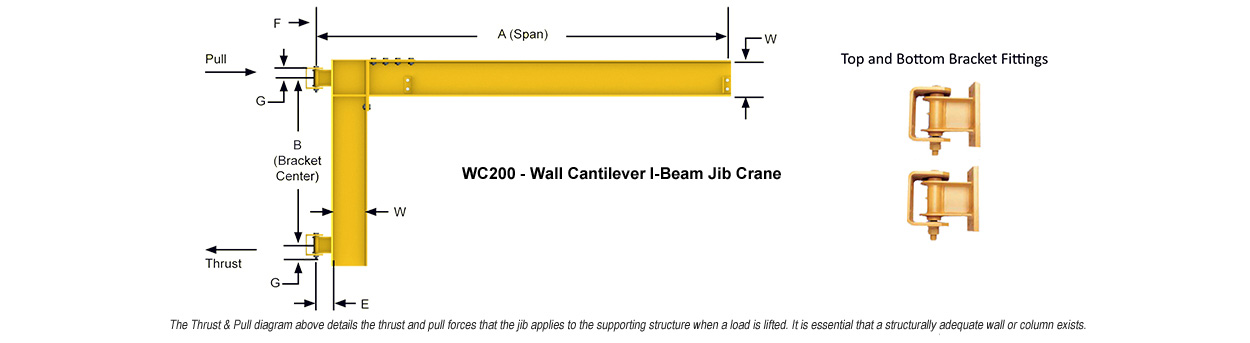
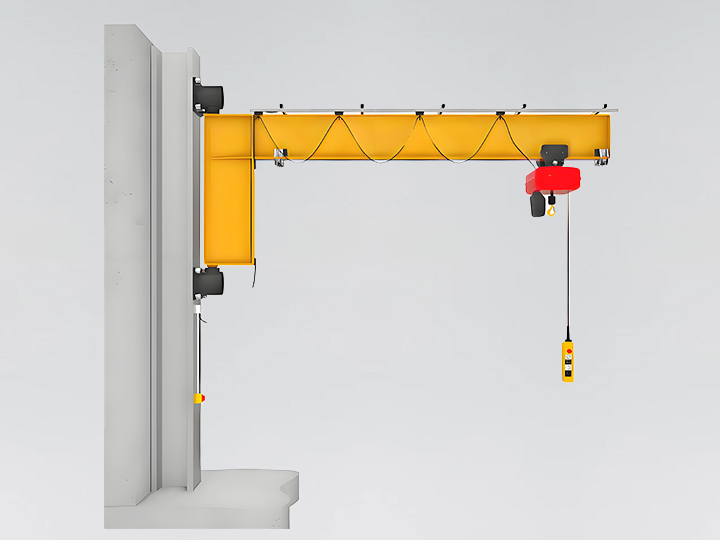
Настенные краны не занимают места на полу. Серия BX компании Weihua Group Устанавливается на прочные бетонные или стальные стены, способные выдерживать растягивающие усилия. В зависимости от способа установки, они, как правило, могут поворачиваться на 180°–270°.
Настенные модели обладают грузоподъемностью от 0,25 до 3 тонн, при этом стрела выдвигается от стены на расстояние до 4 метров. Они идеально подходят для узких проходов и тесных рабочих зон. Высота установки может регулироваться для большего комфорта рабочих во время подъемных работ.
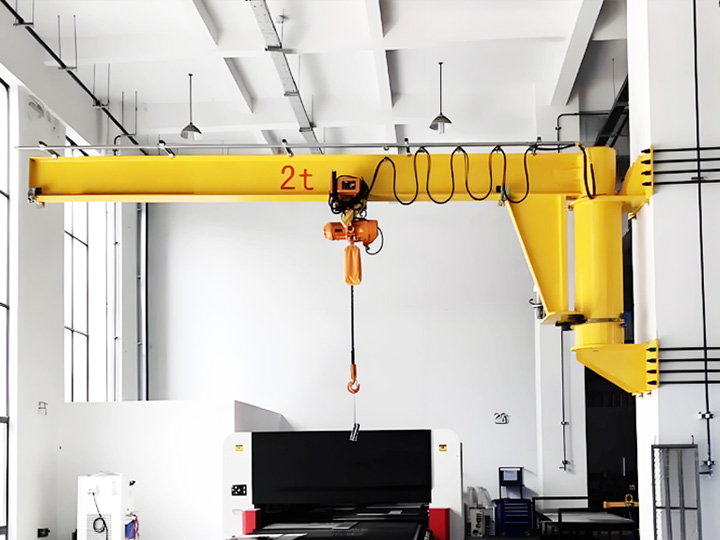
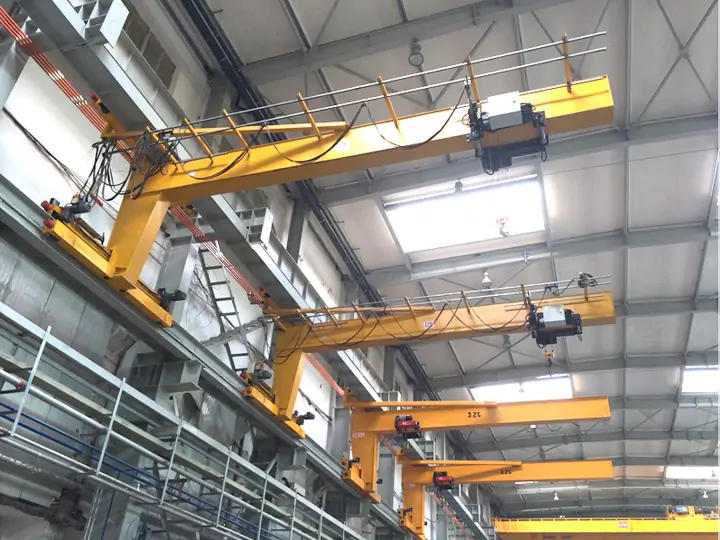
Настенные консольные краны сочетают в себе преимущества консольного крана с возможностью перемещения по направляющим. Консольный кран перемещается по направляющим, установленным на стене, охватывая большую площадь, эквивалентную работе трех стационарных кранов.
Передвижные стреловые краны на стене Вэйхуа Они могут перемещаться вдоль стены на расстояние от 10 до 50 метров, при этом поднимая от 1 до 5 тонн. Они приводятся в движение прецизионными колесами с подшипниками, практически не требующими смазки. Скорость перемещения регулируется от 5 до 20 метров в минуту, адаптируясь к различным режимам работы.
Современные консольные краны используют регулирование скорости для плавного запуска и остановки. Это снижает раскачивание груза на 60% по сравнению с кранами с фиксированной скоростью. Операторы достигают более коротких рабочих циклов, сохраняя при этом устойчивость груза во время позиционирования.
Скорость вращения регулируется в диапазоне от 0,5 до 3 оборотов в минуту в зависимости от веса груза и длины консоли. Усовершенствованные модели Weihua Group оснащены программируемыми зонами ограничения вращения для предотвращения столкновений с соседним оборудованием или колоннами здания.
Система защиты от перегрузки постоянно контролирует грузоподъемность с помощью датчиков. Если вес превышает номинальную грузоподъемность крана (105%), система автоматически отключается, чтобы предотвратить повреждения. Оператор должен вручную перезапустить систему после проверки безопасности.
Кнопки аварийной остановки расположены на земле и на беспроводном пульте дистанционного управления для удобного доступа в экстренных ситуациях. Электрическая система соответствует международным стандартам безопасности кранов. (МЕК 60204-32). Защита от замыкания на землю срабатывает в течение 0,04 секунды при возникновении любых электрических неполадок.
Частота технического обслуживания компонентов зависит от рекомендаций производителя. Вэйхуа Груп Рекомендуется проверять поворотный подшипник и добавлять новую смазку каждые 500 часов работы. Подъемную цепь следует проверять каждые 1000 часов для обеспечения правильной регулировки.
Модульная конструкция позволяет техническим специалистам заменять изношенные детали без разборки всего крана. Часто заменяемые детали, такие как тормозные колодки и концевые выключатели, хранятся на региональных складах для быстрой доставки. Современные системы мониторинга позволяют прогнозировать необходимость замены подшипников еще до фактического выхода из строя.
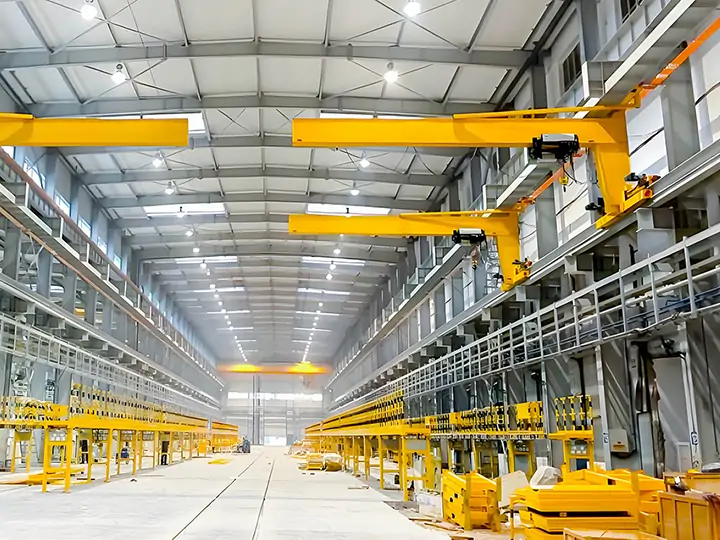
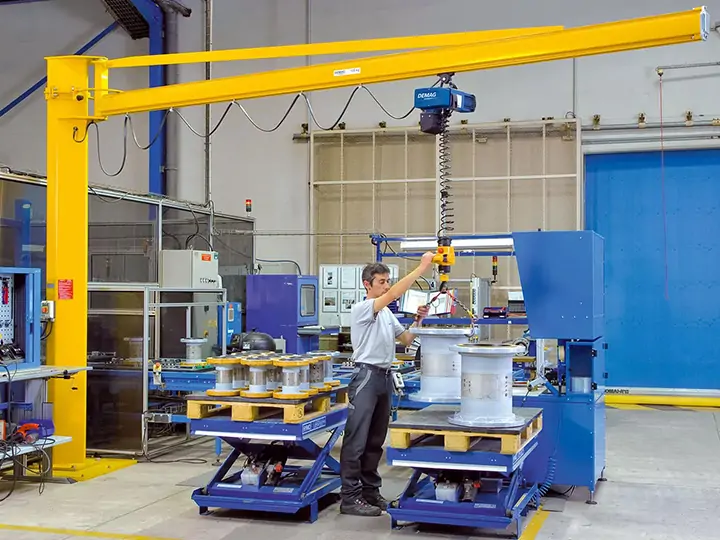
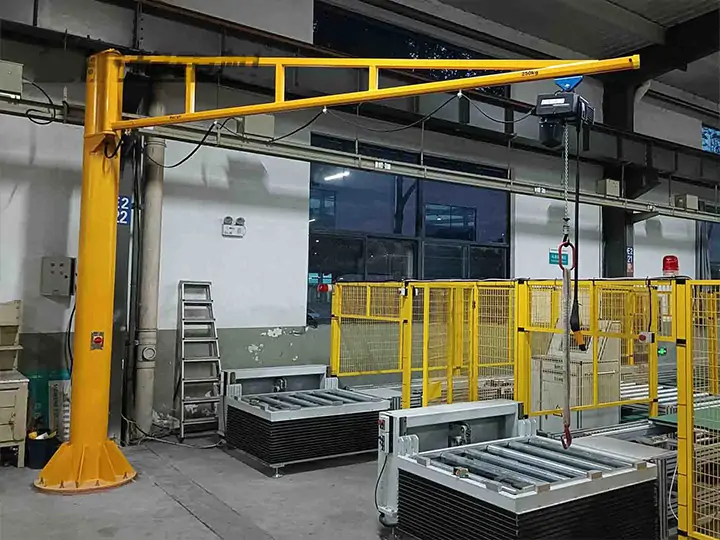
Консольные краны идеально подходят для производственных работ, связанных с многократным подъемом однотипных предметов в пределах определенной зоны. На сборочных линиях они используются. настенные блоки Для поддержания деталей на удобной рабочей высоте, что снижает утомляемость рабочих на 401 тонну по сравнению с ручным подъемом. Заводы по производству автомобильных запчастей используют... колонные поворотные краны на рабочих местах для установки двигателей и трансмиссий.
В цехах механической обработки рядом с станками с ЧПУ устанавливаются шарнирно-сочлененные консольные краны для загрузки сырья и выгрузки готовых деталей. Точное позиционирование позволяет достигать точности в пределах 5 мм при выполнении деликатных операций. Производственные клиенты группы компаний Weihua Сообщается об увеличении скорости работы на 251 тонну после добавления специализированных рабочих мест для консольных кранов.
Погрузочно-разгрузочные доки получают выгоду от настенные поворотные краны Этот кран способен охватывать большие площади платформ. Один передвижной кран может заменить три стационарных крана, при этом продолжая работать с поддонами весом 2-3 тонны. Тот же кран может загружать контейнеры, перегружать товары в грузовики и обеспечивать доступ к стеллажам на больших высотах.
Для холодильных складов требуются специальные коррозионностойкие консольные краны, способные работать при температурах до -30°C. Герметичные электрические компоненты предотвращают попадание влаги, а специальные смазки обеспечивают плавную работу подшипников. Распределительные центры, обрабатывающие более 500 отгрузок ежедневно, полагаются на консольные краны для поддержания бесперебойного рабочего процесса и предотвращения заторов на территории склада.
Авторемонтные мастерские используют консольные краны Для снятия двигателей, ремонта трансмиссий и замены тяжелых деталей. Вращение на 360° означает, что автомобиль не нужно многократно перемещать во время выполнения многоэтапных работ. Модели, установленные на колонне Оборудование грузоподъемностью 2-3 тонны подходит для большинства легковых автомобилей, а оборудование грузоподъемностью 5 тонн предназначено для коммерческих грузовиков.
В цехах промышленного обслуживания используются шарнирные конструкции, позволяющие добраться до внутренних частей оборудования без полной разборки. Двуствольные конструкции позволяют техникам работать вокруг установленного оборудования для демонтажа насосов, двигателей и редукторов. При наличии стрелового крана специалисты по техническому обслуживанию могут быстрее выполнять ремонтные работы.
Сварочные рабочие места используют консольные краны Для перемещения тяжелых стальных материалов во время сборки. Регулируемая скорость вращения позволяет точно позиционировать прихваточные швы перед окончательной сваркой. В цехах по изготовлению стальных балок используются консольные краны грузоподъемностью 5-10 тонн с 6-7-метровыми стрелами.
Мастерские по обработке листового металла используют более легкие настенные поворотные краны Для загрузки гибочных и режущих станков. Компактная конструкция экономит ценное пространство на полу, обеспечивая при этом бесперебойный поток материалов. Производственные заказчики Weihua заказывают искробезопасные подъемники при работе вблизи шлифовальных и режущих станков.
Для обслуживания самолетов требуются соответствующие объекты. консольные краны с более широким радиусом действия для сборки крыла и работ по фюзеляжу. Шарнирно-сочлененные консольные краны Система позволяет получить доступ к ограниченным пространствам внутри фюзеляжа, обеспечивая при этом точный контроль нагрузки. Она соответствует требованиям авиационной безопасности, включая защиту от посторонних предметов и надлежащую фиксацию на земле.
Фармацевтические чистые помещения используют консольные краны из нержавеющей стали и герметизирующие компоненты для поддержания уровня чистоты ISO 5-7. Конструкция без ворса предотвращает загрязнение частицами во время перемещения материала. В производстве электроники используются антистатические версии, оснащенные заземленными подъемниками и искробезопасными материалами.
Переносные консольные краны с противовесами обеспечивают временную помощь при подъеме грузов на строительных площадках. Мобильные установки могут быть смонтированы без постоянного фундамента и перемещены по мере выполнения проекта. Подрядчики по кирпичной кладке используют модели грузоподъемностью 1-2 тонны для позиционирования поддонов с кирпичом и растворосмесителей.
Монтажные бригады систем отопления, вентиляции и кондиционирования используют консольные краны для установки оборудования на крышах зданий. Консольные краны позволяют перемещать воздухоочистители, конденсаторы и воздуховоды без необходимости аренды дорогостоящих автокранов. Вэйхуа Груп Предлагаются модели, устойчивые к атмосферным воздействиям, специально разработанные для строительных работ на открытом воздухе.
Определение грузоподъемности важно, но не менее важна и частота использования. Рабочий цикл A3 подходит для эпизодического использования, с 15-минутными периодами работы. Для непрерывного производства требуется класс A5 или выше, рассчитанный на 8-часовую ежедневную работу.
Определите материалы, необходимые для условий эксплуатации консольного крана. Для прибрежных сооружений требуются поверхности из нержавеющей стали или оцинкованной стали для защиты от коррозии. Для экстремальных температур необходимы специальные смазочные материалы и электрические компоненты, рассчитанные на рабочие температуры от -20°C до +60°C.
Авторитетные производители, такие как Вэйхуа Груп Они не только предоставляют оборудование, но и оказывают всестороннюю техническую поддержку. Их инженерные бригады посетят ваш объект, чтобы проверить, выдержит ли ваша конструкция стреловой кран, и порекомендуют оптимальное место для установки. Сертификаты испытаний на нагрузку подтверждают, что фактические характеристики крана соответствуют заявленным.
Гарантийные условия обычно распространяются на механические и электрические компоненты в течение 12-24 месяцев. Расширенные планы обслуживания включают ежегодные проверки, профилактическое техническое обслуживание и приоритетный доступ к запасным частям. При расчете общей стоимости владения, как правило, у авторитетных производителей более низкие долгосрочные затраты, несмотря на более высокие первоначальные цены.
Сертификаты качества подтверждают соответствие производства международным стандартам. Маркировка CE означает соответствие европейским нормам безопасности, а сертификация EAC позволяет продавать продукцию на евразийском рынке. Система управления качеством ISO 9001 обеспечивает стабильное качество производства всех партий оборудования.
Консольные краны предлагают целенаправленные решения для подъема грузов в тех случаях, когда мостовые системы нецелесообразны или слишком дороги. Понимание взаимосвязи между компонентами, рабочими характеристиками и различными типами кранов поможет вам принять обоснованные решения о покупке.
Сотрудничайте с опытными производителями консольных кранов, демонстрирующими истинное инженерное мастерство и возможности технической поддержки. 40-летний опыт производства Weihua Group в сочетании с современными технологиями позволяет создавать надежное оборудование для самых разных промышленных применений.
Тщательно продумайте габариты, требования к весу и частоту использования. Запросите подробные технические характеристики и, по возможности, организуйте демонстрацию на заводе. Правильный выбор консольного крана может повысить производительность и обеспечить безопасность оператора.
Выбор подходящего консольного крана означает поиск баланса между техническими характеристиками и реальными потребностями работы. Независимо от того, выберете ли вы модель с поворотом на 360° на колонне, компактный настенный блок или шарнирную конструкцию, адаптирующуюся к сложным рабочим пространствам, каждый тип решает различные задачи по перемещению материалов.
Пять основных компонентов позиционного крана работают вместе, обеспечивая надежную работу в различных отраслях промышленности. Авторитетные производители, такие как Weihua Group, проектируют эти компоненты в соответствии с международными стандартами безопасности, обеспечивая при этом всестороннюю поддержку на протяжении всего срока службы оборудования. Инвестиции в качественное оборудование позволяют снизить долгосрочные затраты на техническое обслуживание и время простоя.
Начните процесс выбора, задокументировав ваши потребности в подъеме грузов, ограничения по пространству и условия окружающей среды. Свяжитесь с сертифицированными производителями ленточных кранов, которые смогут подтвердить ваши конструктивные требования и порекомендовать правильную конфигурацию. Правильное партнерство может превратить проблему обработки материалов из узкого места в конкурентное преимущество для ваших операций.
Бесплатное предложение сейчасРассчитайте максимальную грузоподъемность и добавьте запас прочности 20%. Также учтите вес строп, цепей или крюков. Большинство стандартных промышленных работ выполняется с грузами весом от 1 до 5 тонн.
Диаметр основания обычно составляет 800-1200 мм, в зависимости от грузоподъемности. Для безопасного вращения необходимо добавить еще 500 мм пространства, равного длине консоли. В среднем для стандартной модели требуется 25-40 квадратных метров общей площади.
Нет. Для крепления к стене требуется как минимум 200 мм железобетонной или стальной опоры. Обычные кирпичные стены недостаточно прочны, чтобы безопасно выдерживать растягивающие нагрузки.
Модели, устанавливаемые на колонну, могут вращаться на 360°. Настенное оборудование, как правило, ограничено возможностями стены, на которой оно крепится, и может вращаться только на 180-200°. Шарнирная конструкция добавляет вторую точку поворота для увеличения радиуса действия.
Ежедневно перед использованием проводите визуальный осмотр для проверки работы подъемного механизма и плавности вращения. Для часто используемого оборудования формальный осмотр проводится ежемесячно; для оборудования, используемого нечасто, – ежеквартально. Ежегодная сертификационная проверка соответствует требованиям OSHA.
Длина консоли, рабочий цикл, функции управления и средства безопасности — все это влияет на цену. Расширенные функции, такие как частотно-регулируемый привод и беспроводное управление, могут увеличить базовую стоимость на 15-30%.
Для установки моделей на колоннах требуется 1-2 дня, включая подготовку грунта и время затвердевания болтов. Для установки оборудования на стенах требуется 1 день плюс время на усиление стен. Для передвижных систем требуется 3-5 дней на установку и выравнивание направляющих.
План 3-5% от покупной цены ежегодно. Он включает в себя плановые проверки, смазку, замену мелких деталей и ежегодную сертификацию безопасности. Weihua Group предлагает комплексные договоры на техническое обслуживание, начиная с 2%.
Да, необходимы соответствующие защитные меры. Это включает в себя использование антикоррозийной обработки поверхностей, герметизацию электрических компонентов и всепогодную подъемную систему. Специальные смазочные материалы позволяют эксплуатировать оборудование в экстремальных погодных условиях при температурах от -30°C до +60°C.
Большинство моделей, превышающих 1 тонну, используют трехфазное электропитание 380 В. Более легкое оборудование весом менее 500 кг может использовать однофазное электропитание 220 В. Компания Weihua Group может адаптировать напряжение для международных установок, требующих соблюдения различных электрических стандартов.
Отправить запрос
