
اخبار الصناعة
A single operational error with an overhead crane can result in personal injury or equipment damage amounting to millions of dollars. However, the reality is that the vast majority of accidents can be avoided through standardized operation. A comprehensive and systematic overhead crane operating procedure can significantly reduce operational risks and effectively extend equipment lifespan. This article covers the entire process, from pre-shift inspections and lifting operations to emergency response and post-shift handover, providing you with practical operational guidance.
Whether you are purchasing your first overhead crane or establishing a standardized operating system across multiple factories, this article provides a practical framework that meets industry standards. We will also draw upon Weihua Cranes' over 30 years of manufacturing experience in the industry to explain how compliant equipment supports safe operation from the outset.
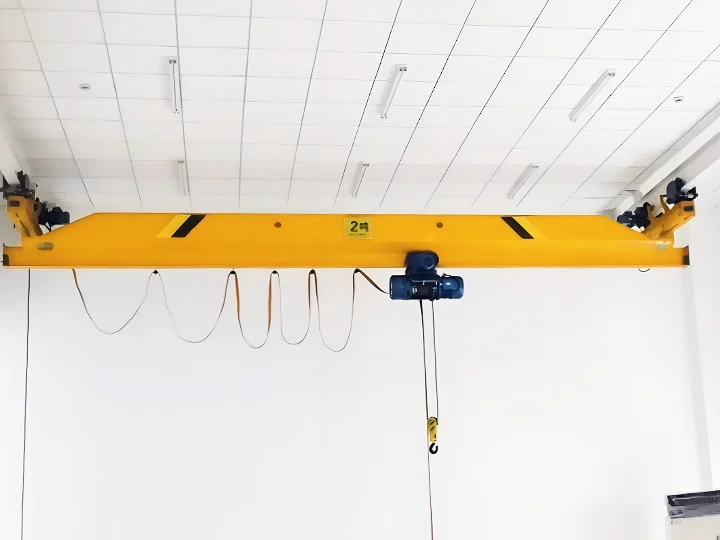
Suspension Underhung Overhead Crane
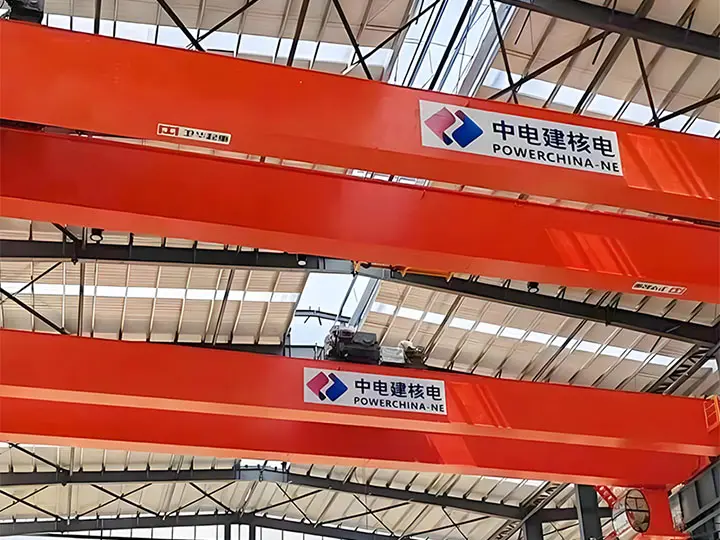
European Overhead Crane
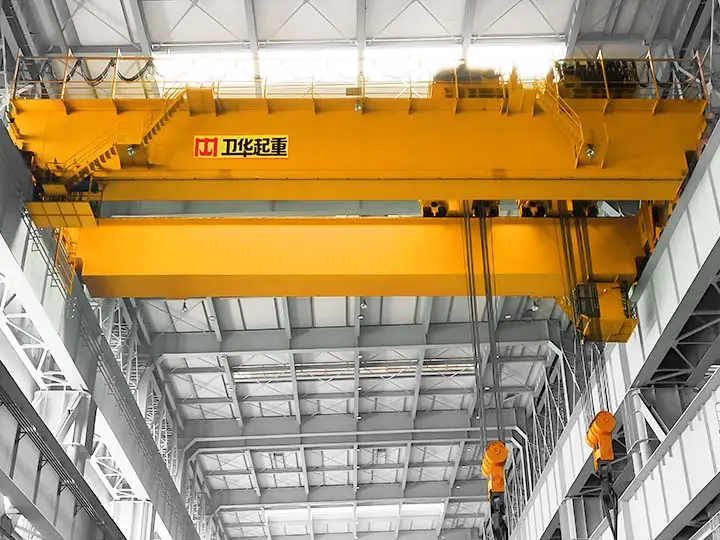
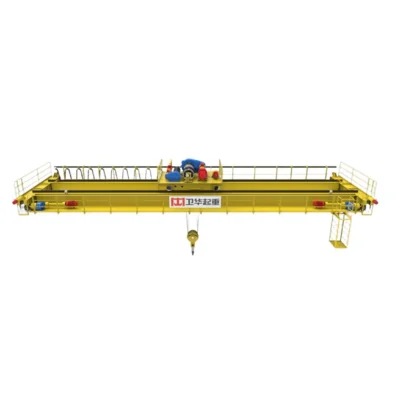
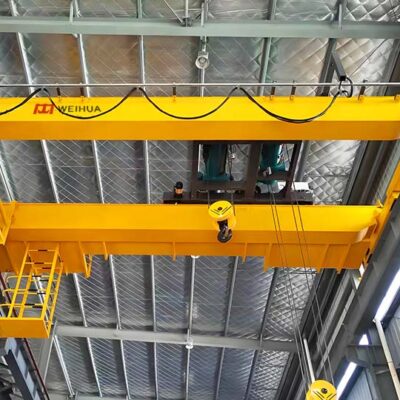
رافعة علوية بعارضة مزدوجة
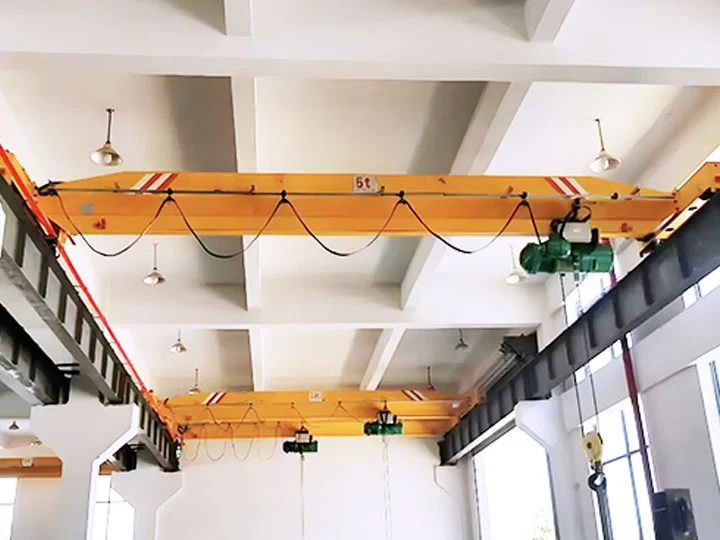
Explosion-proof Single Girder Overhead Crane
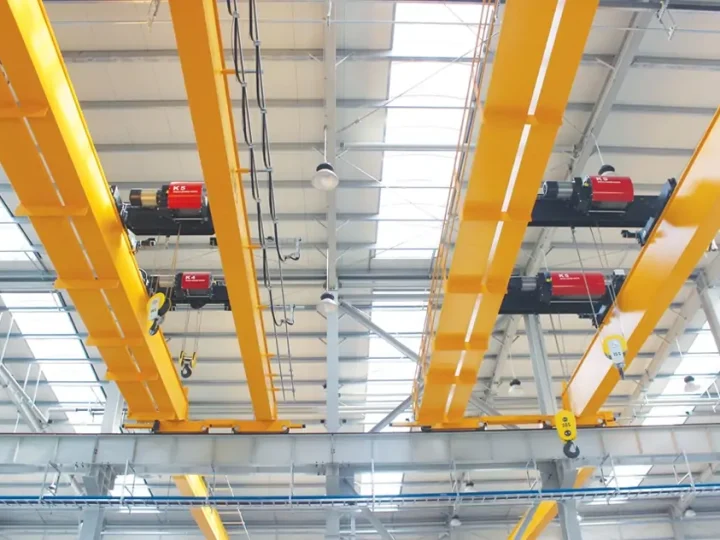
Double Hoist overhead crane
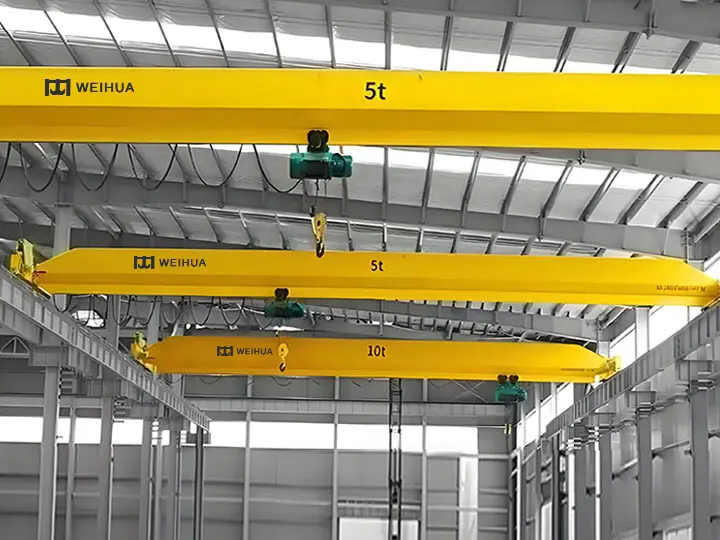
Single Girder Overhead Crane
Bridge cranes operate in high-risk environments. A bridge crane with a rated load of 50 tons and a lifting height of 10 meters allows no shortcuts. Industry statistics show that crane-related accidents consistently rank high among fatal industrial accidents, and the main cause is human error—missed inspections, improper securing, and lack of training.
The cost of missing protocols goes beyond safety risks. Overloading, sudden starts and stops, and inadequate lubrication and maintenance can shorten equipment lifespan by 30% to 40%. For equipment designed for a 20-year lifespan, this means several years of production benefits are prematurely consumed.
Proper operation protects people, equipment, and the company's continued operational capability.
Before putting any overhead crane into service, understand the standards that apply to your market:
| قياسي | Scope | منطقة |
| ISO 4301 | Crane classification and duty cycles | International |
| ASME B30.2 | Overhead and gantry cranes | North America |
| FEM 1.001 | Crane design and safety | Europe |
| GB/T 14405 | Overhead traveling cranes | China |
| CE / EAC Marking | Conformity certification | EU / CIS markets |
Weihua Crane designs products to meet CE, EAC, and GB standards concurrently. For buyers operating across multiple regions, this multi-standard compliance significantly simplifies procurement and site commissioning.
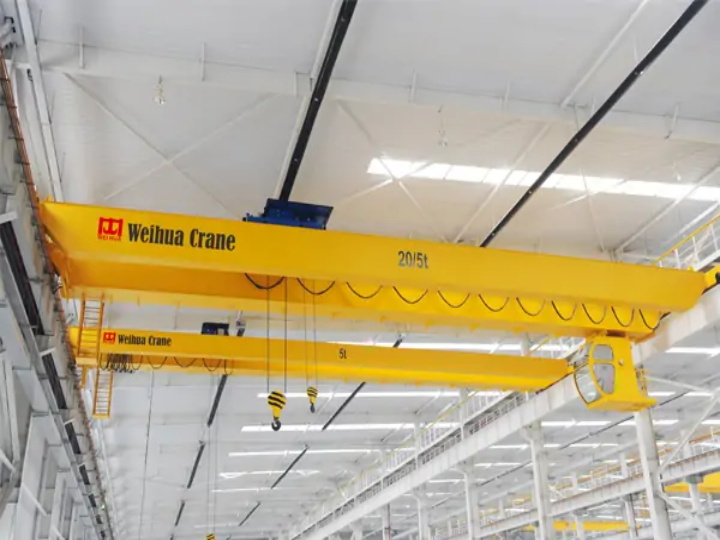
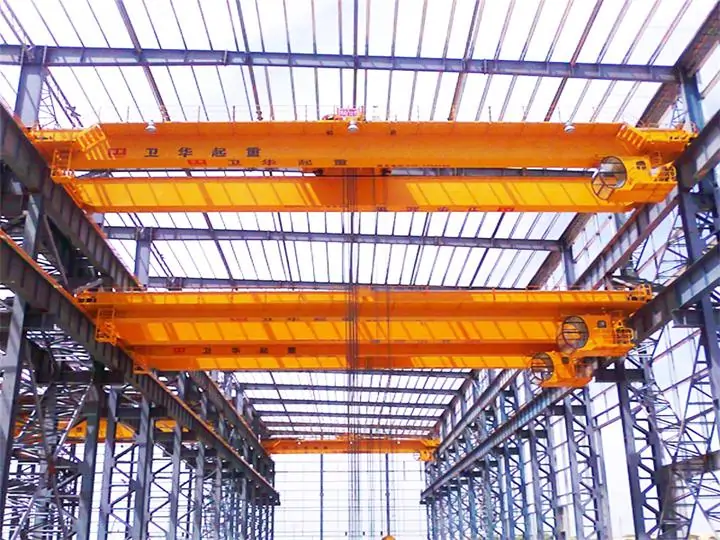
Every shift must begin with a system check, without exception. A complete pre-shift check takes 10 to 15 minutes but can identify and address problems before they escalate into downtime or accidents.
Main Beam and End Beams: Check for visible cracks, deformation, or loose fasteners.
Rail Alignment: Lateral deviation must not exceed 1 mm per meter.
Hooks and Pulley Blocks: Check for cracks and torsion; hooks worn more than 10% of their original size must be scrapped.
Wire Ropes: Wires with more than 10% broken strands within a single lay must be replaced immediately.
Towing Cables or Conductive Contact Lines: Check for wear, damage, or exposed conductors.
Control Handles: Confirm all buttons respond normally, without sticking or delay.
Limit Switches: Test the upper and lower lifting limits, as well as the long and short travel limits.
Emergency Stop Button: Action must be rapid and reset smoothly.
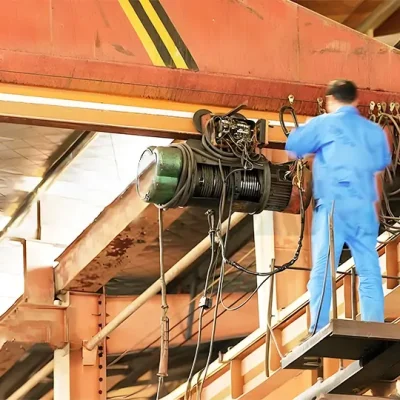
Brakes of each mechanism: Test each hoist, trolley, and crane brake individually.
Check gearbox oil level and for any leaks.
Check wheel tread and flange contact condition.
Each inspection must be recorded and signed for confirmation. This not only establishes an accountability system but also provides crucial supporting documentation for compliance audits and insurance claims.
New overhead cranes and cranes returning from major repair require load testing before entering service. Standard requirements:
| Test Type | Load Level | Purpose |
| Static Load Test | 125% of rated capacity | Structural integrity verification |
| Dynamic Load Test | 110% of rated capacity | Mechanical system performance |
| No-Load Function Test | 0% | Control and limit switch verification |
Weihua performs factory load testing on every overhead crane before shipment and provides certified test reports with each delivery. This documentation is essential for site commissioning and regulatory approval in most markets.
A proper startup involves more than just pressing the power button. Each shift must follow this sequence:
The entire startup process should not exceed five minutes, building operational confidence and allowing potential problems to be identified before lifting the load.
Confirm the load weight from documentation or certified weighing equipment; do not estimate based on experience.
Select rigging with a rated load capacity exceeding the actual load, and ensure the stress point meets structural requirements.
Aim the hook directly above the load's center of gravity. Oblique lifting will generate lateral forces on the wire rope and lifting mechanism, causing rapid wear.
Lift slowly to eliminate rigging slack, pausing when the load is 100-200 mm off the ground.
Continue lifting only after confirming the load is stable and balanced.
Maintain a constant speed, avoiding sudden acceleration; dynamic load peaks can exceed static loads by 25%-30%.
Maintain a clear view of the load throughout the entire process; if visibility is obstructed at any stage, a dedicated rigging signalman must be present.
Slowly and precisely lower the hook to the target position.
To prevent residual swaying during unhooking, controlled deceleration prevents pendulum effects that could damage surrounding equipment or personnel.
Weihua cranes are equipped with a standard variable frequency drive (VFD) system, which provides smooth operating curves for each mechanism, effectively reducing dynamic load peaks during the operating cycle and protecting structural and load safety.
Emergency response for each operator must be a reflexive action, not an on-the-spot reference to the manual.
Keep the load suspended. Equipment designed for power failure will automatically engage the electromagnetic brake.
Do not manually lower the load without authorization and the appropriate tools.
Immediately notify maintenance personnel and cordon off the area below.
Immediately reduce operating speed; do not stop abruptly.
If height permits, lower the load to the nearest safe landing point.
If a safe descent is not possible, stop all movement and clear the area below.
Immediately stop all mechanical movement.
Lower the load to the ground if conditions permit.
Locking the equipment to lock and tagged (LOTO) is required before leaving.
Do not resume work without inspection and confirmation by a qualified technician.
The emergency stop button must be tested at the start of each shift; this is a fundamental safety requirement of all major overhead crane standards and cannot be omitted.
After operation, a proper shutdown procedure can prevent accidents during non-operational periods:
Park in a designated location. Typically, this is at one end of the travel rail, away from access doors and personnel passageways.
Raise the hook to its maximum position. Avoid collisions with ground equipment or passing personnel.
Completely unload. Under no circumstances should a suspended load be left unattended.
Disconnect power in sequence: First, disconnect lifting control, then disconnect the main power supply, and lock the isolating switch as needed.
Outdoor or semi-outdoor cranes must have their windproof locking device activated. When the crane is unattended, the windproof device must be locked.
Complete the crane operation log before leaving:
Operating time of this shift
Maximum operating load
Any abnormalities (noise, vibration, control system malfunctions)
Maintenance items completed this shift
This data forms the basis of predictive maintenance planning and is an effective tool for early detection of potential mechanical problems.
| Interval | Key Activities |
| يوميًا | Visual inspection, lubrication check, brake function test |
| أسبوعي | Wire rope inspection, limit switch test, fastener torque check |
| شهريا | Full electrical system check, gearbox oil level, wheel wear measurement |
| Quarterly | Comprehensive structural inspection, load test if required by local regulation |
| Annual | Full overhaul, certified inspection by qualified engineer |
Weihua Group provides detailed maintenance manuals with every crane delivery. Their global after-sales network covers over 100 countries, with remote technical support and on-site service teams available for scheduled maintenance.
Before putting equipment into use, the following key wear parts must be prepared:
Wire Rope: Replacement should be determined based on inspection standards, not a fixed time period.
Brake Friction Pads: Check the wear indicator monthly and replace before reaching the minimum thickness.
Towing Cables and Control Handles: These are frequently replaced parts in dusty or corrosive environments.
Gearbox Lubricating Oil: Replace according to the manufacturer's specified cycle, typically once a year. Weihua Spare Parts Warehouse covers the entire range of current and historical products. Standard spare parts are shipped globally within 24 to 48 hours, effectively reducing downtime.
The right equipment makes standardized operation much easier. When evaluating overhead crane suppliers, focus on the following factors:
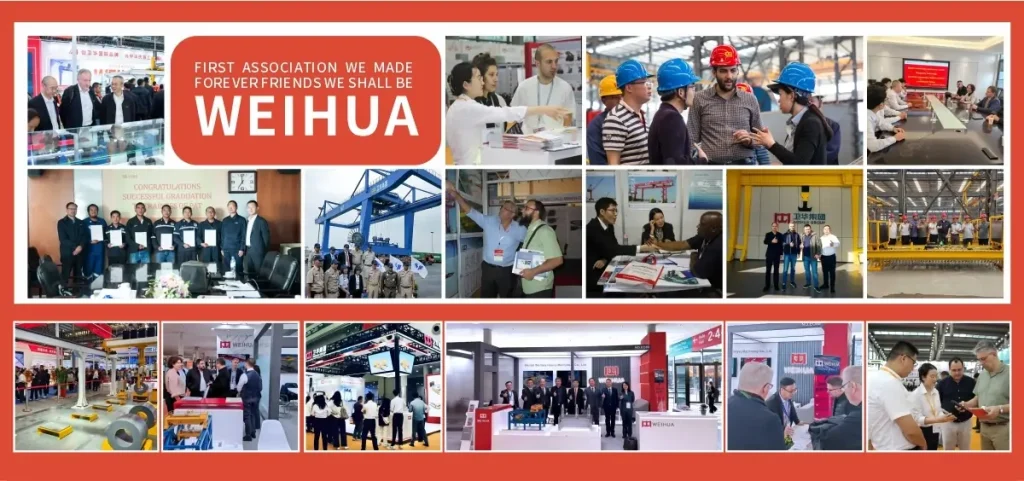
رافعات ويهوا has delivered equipment to over 120 countries worldwide, serving industries such as automotive, metallurgy, ports, and general manufacturing. Their standard single-girder و double-girder overhead cranes come standard with safety systems and complete compliance documentation, significantly reducing the workload for purchasers in terms of post-delivery modifications or recertification.
Safe operation of overhead cranes depends on two things: operational discipline and system assurance. Pre-shift checks identify problems before they escalate, proper lifting operations prevent mechanical damage and personal injury, and emergency procedures become instinctive responses through training, not just last-minute manual searches.
Three action recommendations for this week:
1.Review your existing pre-shift checklist against the standards outlined in this document to ensure it is complete.
2.Confirm that operators have traceable emergency response training records.
3.If quarterly checks are overdue, schedule a make-up check immediately.
Proper operation today is the lowest-cost investment to avoid major losses tomorrow. If you are evaluating new overhead crane procurement options, the Weihua Engineering team can provide technical parameters, compliance documents, and selection recommendations tailored to your specific needs.
احصل على عرض أسعار مجاني الآنQ1: How often do bridge crane operators need to be recertified?
Most regulatory frameworks (including OSHA, BS 7121, and Chinese GB standards) recommend recertification every 2 to 3 years. Recertification is required immediately after a major accident or significant equipment changes. Annual retraining should be conducted at least once a year.
Q2: Is a slinger/signalman required for single-operator bridge cranes?
Single-operator is permitted when the operator has a clear and unobstructed view of the hoisting path. If visibility is obstructed at any stage, a trained slinger/signalman must be present. This is mandatory under ASME B30.2 and most European standards.
Q3: How to determine if a crane is overloaded?
Modern cranes, such as those from Weihua, are equipped with electronic overload protection devices that prevent lifting when the rated load is exceeded. Older equipment without this device may show signs of overload including: abnormal motor noise, decreased lifting speed, brake slippage, or visible structural deformation exceeding normal limits. Equipment without overload protection devices should be equipped with calibrated load sensors.
Q4: Why do wire ropes reach their scrap standard prematurely?
Common reasons include: lateral forces generated during inclined pulling operations, drum bending angles exceeding 4 degrees, insufficient lubrication, use of unsuitable rope types in corrosive environments, and prolonged overloading. Replacement should be determined according to ISO 4309 inspection standards, rather than relying on fixed time cycles.
Q5: How long does a standard pre-shift inspection take?
A standard bridge crane's daily inspection takes approximately 10 to 15 minutes, including visual inspection, control function testing, and limit switch verification. Standard inspection training for new operators typically requires 2 to 4 hours and must be conducted by qualified personnel.
تاريخ:
تاريخ:
تاريخ:
إرسال الطلب
